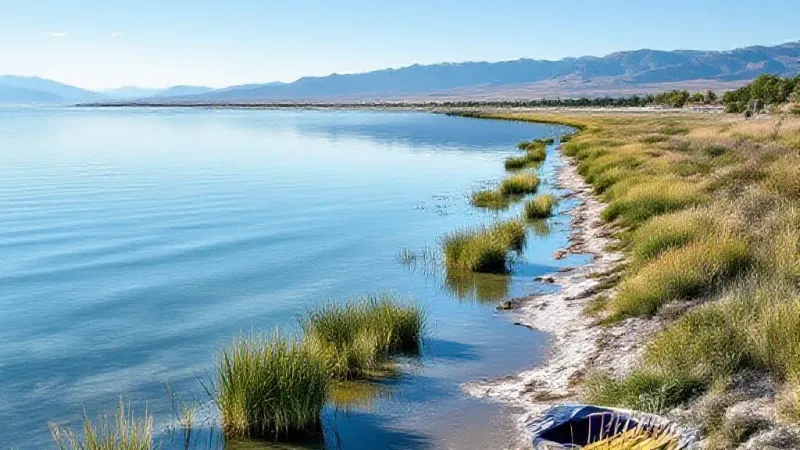
SALT LAKE CITY — Utah will receive $60 million dedicated to the recovery of the Great Salt Lake, following the settlement of a decades-long land dispute with the federal government. The agreement specifically addresses more than 22,000 acres located at the Bear River Migratory Bird Refuge, a critical ecological area for Northern Utah.
Under the terms of the settlement, the federal government will take title to the disputed land. In return, Utah has agreed that all of the $60 million settlement funds will be exclusively used for efforts to improve the health of the Great Salt Lake. The Bear River Migratory Bird Refuge, which spans across areas important to local residents and wildlife enthusiasts, will continue its function as a refuge. Ben Stireman of the Utah Division of Forestry, Fire and State Lands confirmed that the agreement resolves a "longtime standing dispute over land ownership" at the refuge.
Officials stated that the spending of these funds will be guided by the Great Salt Lake Commissioner's strategic plan. The primary objective for the $60 million is to deliver more water to the lake. This focus is crucial for the community, as the lake's health is tied to various aspects of the region.
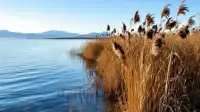
Stireman detailed several approaches the state could take to achieve this goal, emphasizing that there is no single solution. Potential projects include water transactions, leasing agreements, and habitat improvements. The state may also acquire water rights through leasing or donations. Additionally, efforts like getting rid of invasive phragmites plants are considered beneficial, as they help facilitate the delivery of water to the lake. Stireman clarified that the $60 million is not earmarked for one large project but will instead add to the existing pool of resources the state can draw from for various recovery initiatives.
The impact of this settlement extends beyond simply increasing water levels. Marcelle Shoop of the National Audubon Society highlighted the broader ecological benefits, explaining that healthier water and wetlands are essential for supporting habitat for migratory birds and the brine shrimp population they depend on. These species are a significant part of the region's natural heritage and draw outdoor enthusiasts to the area.
While substantial, the $60 million represents an important step in a larger, ongoing challenge. Shoop described the funds as a "substantial, important input into helping us solve the problem," but also noted that much more money would be required over the long term to fully address the lake's needs. The National Audubon Society's goal is to ensure the money is spent effectively on projects that demonstrably deliver water to the lake, protect its vital habitat, and help the lake continue to provide its historical services to all Utahns and neighboring states.
The initial installment of the settlement funds is expected to arrive within the next few weeks, with the remaining balance to be paid out over the subsequent 26 months. Officials have underscored that water delivery and wetland protection will remain the top priorities for how these funds are ultimately utilized.