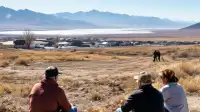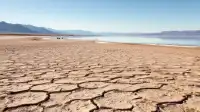
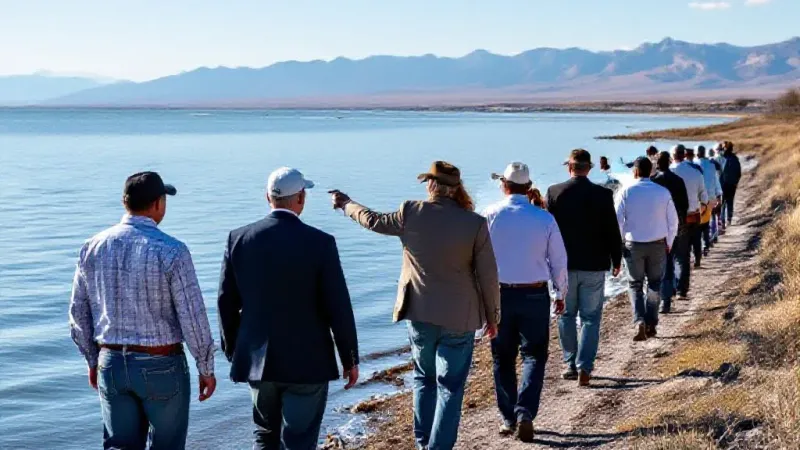
Republican lawmakers from Utah’s Capitol Hill, alongside state officials, recently embarked on an airboat tour of Farmington Bay to witness the Great Salt Lake’s health. The excursion, organized by the Senate Majority Caucus and utilizing the Utah Department of Natural Resources’ airboat fleet, aimed to inform legislators as they prepare for the 2027 Utah State Legislature and inspire further policy creation to protect the lake.
Senate Majority Whip Chris Wilson, a Republican from Logan, described the experience as an “object lesson” after being hit by mud churned up by an airboat. He noted that the mud indicated the need for more water in the lake. Wilson indicated that bills specifically targeting the Great Salt Lake are expected to be introduced within the next month.
The Great Salt Lake reached a historic low in 2022, prompting significant legislative action. Since then, lawmakers have passed dozens of bills and allocated approximately a billion dollars towards water conservation efforts. State officials are now celebrating a modest success, as Utah is projected to conclude the current water year with the Great Salt Lake one foot above that historic low.
Rep. Jill Koford, R-Ogden, acknowledged this progress but emphasized that more action is still necessary. Koford stated that despite having the "worst snow season on record," the region is not facing an "absolute, ecological collapse." She is developing legislation focused on various mechanisms to deliver more water to the lake and enhance its ecological health. Koford, who is currently seeking a Senate seat, intends to introduce a bill in the upcoming session that would encourage more cities and towns to dedicate water saved by residents through conservation efforts directly to the Great Salt Lake. She referenced the implementation of tiered water pricing for water districts as a step already taken, focusing now on how to ensure those water savings reach the lake.
Lawmakers also discussed strategies to eradicate phragmites, an invasive plant known for consuming significant amounts of water from wetlands, which would free up more water for the lake. Efforts will also continue to encourage agricultural producers, who are the state's largest water users, to dedicate their conserved water to the lake. A pilot project involving Cache Valley farmers has demonstrated success in this area and is slated for statewide expansion next month.
Newly-confirmed Great Salt Lake Commissioner Hannah Freeze, tasked with implementing lake protection policies, highlighted other positive developments, including the presence of thousands of migratory birds in the wetlands during the tour. Commissioner Freeze, who accompanied the lawmakers, expressed her intention to seek additional funding for water security and infrastructure improvements. She specified a target of $100 million each from state, federal, and private philanthropic sources this year. Freeze also identified potential new water sources in the West Desert’s Newfoundland Basin and impounded water in the Stansbury Bay area that could be engineered to flow into the Great Salt Lake.
Commissioner Freeze urged the public to continue their water conservation efforts. She stressed the importance of collaborative action, stating that recognizing shared care and effort among all stakeholders would constitute a significant success for the lake’s future.