
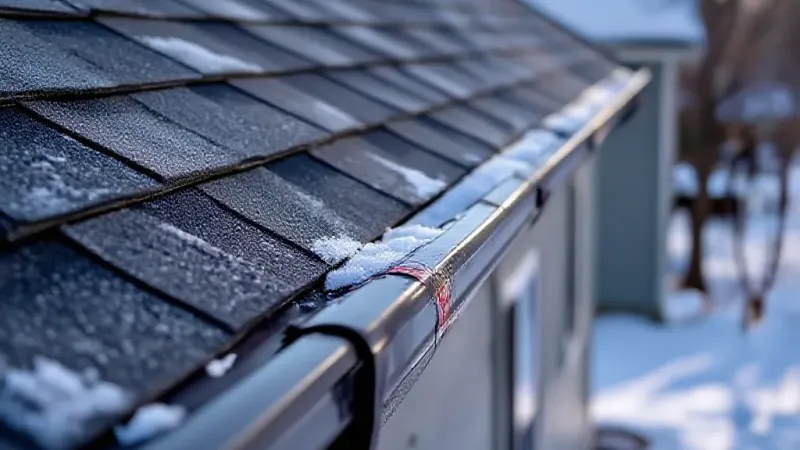
Lion Flow, a Northern Utah heat tape installation company, is recommending that homeowners across the region schedule heat tape installation before winter fully sets in. This advisory comes on October 20, 2026, driven by an unusually active start to the 2026-27 winter season, marked by back-to-back October storms and a strengthening El Niño weather pattern. The company serves residents in Davis, Weber, and Box Elder counties, as well as parts of Cache County, covering communities such as Ogden, Layton, Brigham City, Bountiful, Farmington, and Logan.
The urgency for early installation is supported by significant weather events already observed this autumn. The Wasatch Range experienced its first significant mountain snow of the season in mid-October, resulting from remnants of Tropical Storm Rachel combining with a Pacific storm system, as reported by kpcw.org. This snowfall occurred more than a month earlier than many resorts typically see their opening storm. Further, federal forecasters have indicated a strengthening El Niño pattern that is projected to persist into early 2027, according to ksl.com. Some meteorologists suggest this pattern could be similar to the winter of 1982-83, which became one of Utah's snowiest winters on record. Lion Flow suggests this early weather activity is sufficient reason for homeowners to address potential ice dam issues proactively, rather than waiting for the first hard freeze.
Heat tape, also known as heat cable, works by keeping meltwater flowing along a roof's eaves and valleys and through the gutter system. This prevents water from refreezing into an ice dam, which can cause meltwater to pool on the roof. While some companies focus on the roof alone, Lion Flow's complete heat tape solution includes both the roof and gutters. This approach is designed to keep water from freezing along the entire drainage route, from the shingles to the ground. Lion Flow emphasizes that this strategy is most effective when applied as a preventative measure.
Lion Flow’s professional heat tape installations use commercial-grade, self-regulating heat cable. These systems are paired with a thermostatic controller, which ensures that the system activates only during cold weather and increases heat output in the colder sections of the roof. This automation frees homeowners from the responsibility of manually turning the system on and off throughout the winter season. To protect the installed cable, Lion Flow uses reinforced clips and cable guards, and each installation includes a workmanship warranty.
Zander Caffall, owner of Lion Flow, underscored the importance of preparing in advance. He noted that homeowners prefer not to have to address ice dam prevention when snow has already accumulated on the roof and temperatures are dropping. Caffall advises homeowners to inspect their roofs now and ask questions about potential problem spots. For those uncertain about whether they need heat tape, he suggests scheduling an evaluation. Lion Flow can help identify vulnerable areas and install heat cable where it is needed. Residents can find more information about Lion Flow’s ice dam prevention services or schedule a free quote online.