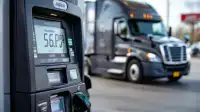
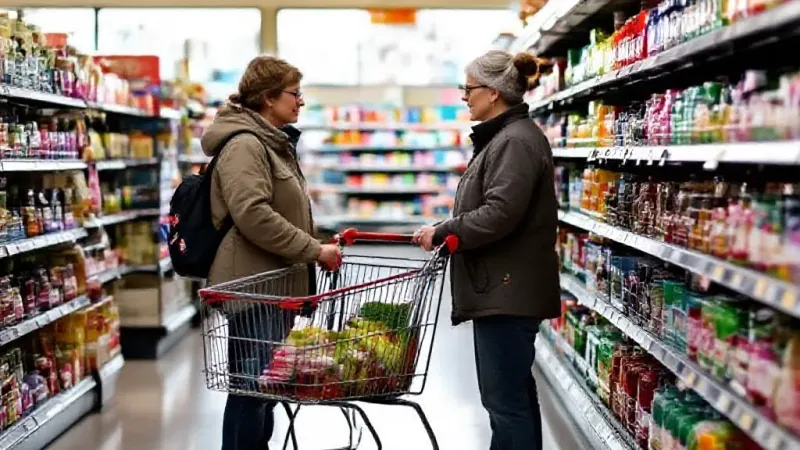
Record diesel prices are beginning to weigh on grocery bills for Northern Utah families. After a three-year period of relief, which saw falling diesel prices ease pressure on household budgets and ended in March of 2026, the current surge in fuel costs threatens to reverse that trend.
The U.S. Department of Agriculture (USDA) meticulously tracks how transportation and energy expenses are factored into the final cost of groceries. According to USDA data, the year 2024 saw a relatively low share, with approximately 9.5 cents of every dollar spent on groceries going towards trucking, storage, and other energy-related costs. This figure represented the lowest share since 2007, reflecting the earlier period of reduced fuel prices. For historical context, during the last significant fuel price spike in 2008, that same figure climbed to nearly 14 cents on the dollar, demonstrating the volatility of these costs.
The recent shift in diesel prices has been dramatic. Following a period of comparative stability in January and February of this year, costs experienced a sharp increase. After the U.S. engaged in war with Iran in March, diesel prices jumped by a substantial 96 cents in the week of March 9 alone. As of this week, the national average for diesel has reached an unprecedented $6.53 a gallon, marking the highest level ever recorded in national tracking systems.
This rapid increase in fuel costs is already translating into higher expenses at the grocery store. Based on the USDA's baseline calculations, and factoring in current fuel and freight costs, the estimated share of every grocery dollar now dedicated to trucking, storage, and energy has risen to between 10.5 and 11 cents. For the average American household, this incremental cost is projected to add an extra $65 to $110 per year to their total grocery bill.
Should diesel prices continue to hover at today's record levels for an entire year, the impact on household budgets could become even more significant. Under such a scenario, the portion of each grocery dollar attributed to transportation and energy could climb further to approximately 12 cents. This sustained cost increase would result in an estimated additional $200 per year for the average household's grocery expenditures.
So far, consumers have not yet felt the full brunt of these escalating costs. Grocery prices, across the board, are only up 2% from last year's figures. Information gathered by the Federal Reserve from various businesses indicates that shoppers are actively "pushing back on higher prices." This consumer resistance suggests that some of the increased fuel costs absorbed by businesses have not yet been fully passed on to store shelves.
In a related but distinct development concerning transportation costs in Utah, discussions around the state's gas tax suggest a potential future shift. The current gas tax system may be replaced by alternative methods, such as charging drivers based on miles logged or implementing congestion pricing.