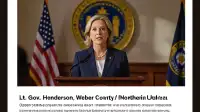
The U.S. Department of Justice (DOJ) is sending election monitors to Utah polls to oversee the upcoming Nov. 3 elections. Lt. Gov. Deidre Henderson, Utah’s chief election officer, learned of the deployment on Wednesday. This development comes as Henderson has been refusing to release private voter data to the federal government, an issue that has created pressure from the agency. To Henderson’s surprise, the DOJ has also stated it has been investigating her since 2025.
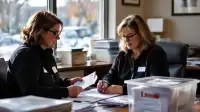
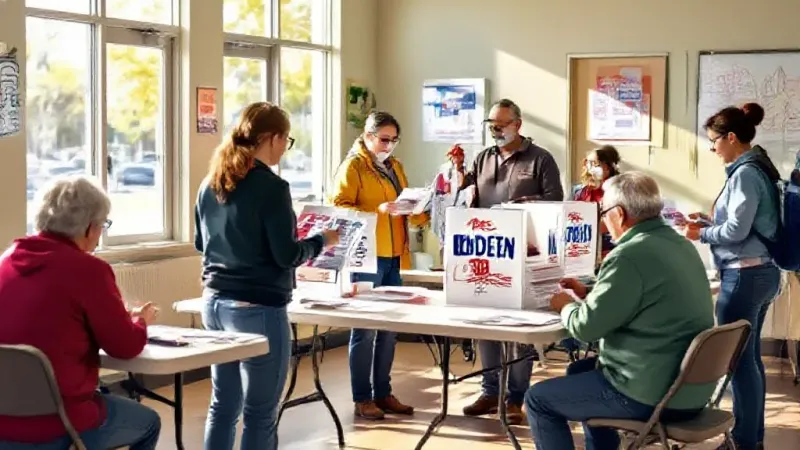
The primary goal of the federal monitors is to observe for compliance with federal voting rights laws, according to a letter from Jake Bachand, an attorney at the DOJ’s Civil Rights Division. This includes ensuring access to the ballot box for people with disabilities, among other civil rights assurances. Bachand’s letter outlined specific rules for the monitors' conduct at polling places: they are mandated to only observe and take notes, and will dress in business casual clothing without any DOJ identifiers. Monitors are not allowed to approach voters, speak to them inside polling locations, or carry firearms. They are also instructed to provide any feedback on observed challenges or issues only after the election is over.
Lt. Gov. Henderson anticipates that the monitors’ presence will not interfere with the election process, and voters may not even notice them. She told reporters on Thursday that while some details remain unavailable, including the total number of monitors or their specific assignments, Salt Lake County has been notified that it will receive at least one. Henderson expects to learn more specifics about the deployment in a meeting before Election Day.
Henderson expressed confidence in Utah’s election processes and stated she welcomes scrutiny from the administration. “I am confident in our processes, and you know what? If they uncover some sort of problem, if we’re violating someone’s civil rights in some way, I absolutely want to know about it,” Henderson said. She noted that Utah relies on people to report problems to ensure corrections can be made. However, she also made it clear that while she welcomes examination, she does not welcome any form of interference.
The deployment of federal monitors is not unprecedented, though the scale and specific circumstances can vary. The Department of Justice has previously sent election monitors to other states, typically on a smaller scale and often in response to identified civil rights violations. In Utah specifically, the agency sent monitors to supervise elections in San Juan County in 2024. Henderson noted that while her office has faced threats of criminal prosecution over voter data, the DOJ is also sending monitors to states that are not involved in election litigation, suggesting a broader scope to the current deployments.
Despite the federal oversight, Utah is not planning to implement state-level monitors to supervise the federal observers, a strategy seen in other states like Minnesota. Instead, Henderson's office has provided county clerks and the public with specific instructions regarding existing laws that pertain to all election monitors, including the federal ones. This ensures that everyone is aware of applicable regulations.
In light of the upcoming elections and potential voter concerns, Henderson encouraged residents to submit their ballots at drop boxes ahead of Election Day, rather than waiting for in-person polling. She believes that early voting leads to more robust results on election night. “I encourage the more people do that, the better,” she said, emphasizing the benefits of early ballot processing.