
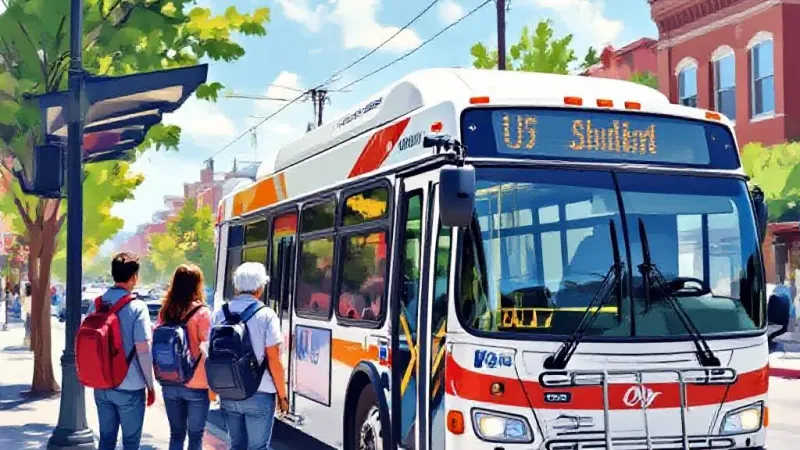
The Utah Transit Authority (UTA) is proposing its first fare increase in 13 years, with a plan to raise the base fare for buses and TRAX from $2.50 to $3. However, a local advocacy organization, Crossroads Urban Center, has asked the agency to halt the proposal and focus on boosting enrollment in its discount pass programs.
Crossroads Urban Center sent a letter to UTA last week as part of the public comment period for the authority’s proposed budget. According to Bill Tibbitts, deputy executive director at Crossroads Urban Center, the timing for a fare increase is “a really bad time,” citing the rising cost of living, which has caused nearly half of Americans to struggle with basic needs.
Tibbitts expressed concern that those most affected by a fare increase may not be enrolled in current discount programs. He suggested UTA should first dedicate resources to making its discounted pass programs more effective. If revenue still falls short, Tibbitts stated, then the authority could consider price increases.
UTA offers a reduced fare program for individuals with disabilities, seniors, youth, and low-income households. This program allows eligible riders to pay $1 for local trips and $2 for premium services, such as FrontRunner or express and ski buses. Tibbitts described UTA’s programs as beneficial, especially with established spending caps that limit riders’ weekly expenses to $8.
Despite the benefits, Tibbitts highlighted a “general lack of awareness” regarding these programs. Nationally, discounted fare programs struggle to attract participants, with fewer than one in three eligible people enrolling, according to the Urban Institute, a think tank. For example, the Hive Pass in Salt Lake City, which provided UTA access for $42 a month to all city residents, was terminated in the last city budget cycle due to an average of only 443 monthly users.
Crossroads Urban Center provides one-day UTA passes at its Downtown Salt Lake City food pantry. Tibbitts noted these passes are "always gone within an hour or two" each day, illustrating the high demand and the potential for increased enrollment. The center’s food pantries serve over 12,000 people per month, indicating a significant need for affordable transportation. Tibbitts underscored that public transportation is crucial for low-income individuals to lead healthy and productive lives, stating that if they cannot afford bus fare, they might simply stay home rather than seek alternatives.
UTA officials had not yet reviewed Crossroads' letter when asked for comment last week. However, Gavin Gustafson, UTA Public Information Officer, told Utah News Dispatch on Friday that all proposals are not final and that the authority will consider all received comments before making any final decisions. Gustafson affirmed, “We’re still in the evaluation process at this point.”
Residents interested in providing feedback can attend a public open house on Monday at 5:30 p.m. at UTA’s headquarters, located at 669 W. 200 South in Salt Lake City. The meeting will also be livestreamed on UTA’s website, with advance registration required for online participation in the public comment period.